


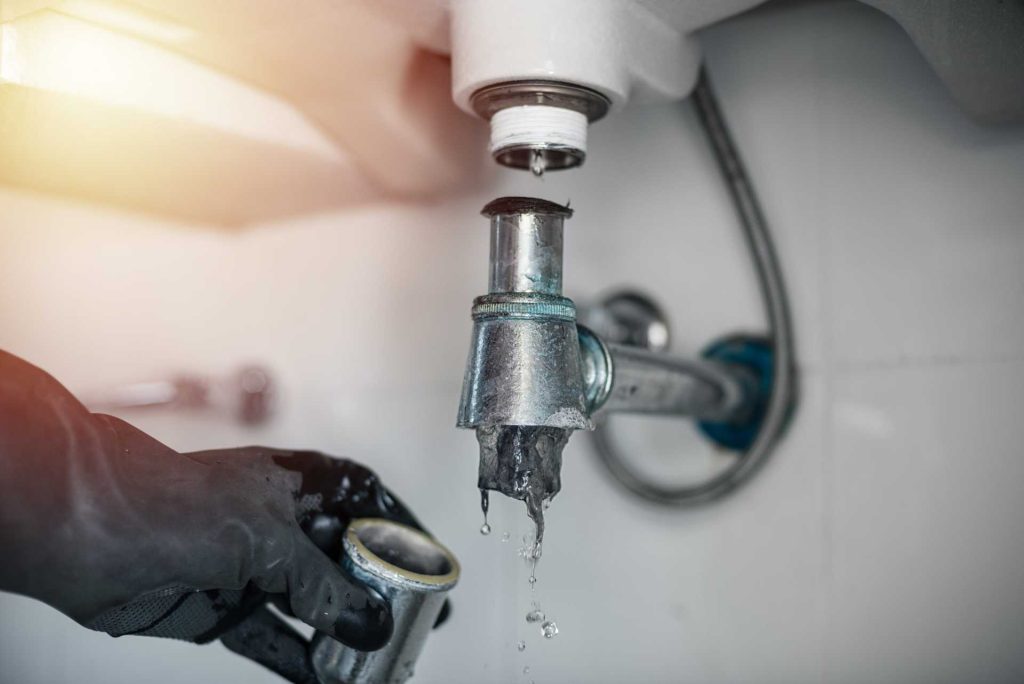
Dealing with clogged drains is frustrating, messy, and inconvenient. The good news? Most drain clogs are preventable with simple habits and regular maintenance. Taking a few minutes each week to care for your drains can save you from emergency plumber calls, water damage, and the hassle of backed-up sinks or toilets.
At M & M Plumbing, we’ve cleared thousands of drains throughout Chula Vista, and we’ve noticed that many clogs could have been avoided with basic preventive measures. After years of experience, we’ve identified the most effective strategies for keeping drains clear and flowing freely.
Here are 10 easy ways to prevent drain clogs in your Chula Vista home—simple steps that protect your plumbing and save you money in the long run.
1. Never Pour Grease or Oil Down Kitchen Drains
This is the number one cause of kitchen drain clogs in Chula Vista homes. Liquid grease and oil might flow down your drain easily when hot, but they solidify as they cool, coating your pipes and trapping other debris.
Why grease is so problematic: As grease cools in your pipes, it hardens into a thick, sticky substance that clings to pipe walls. Other materials—food particles, soap residue, mineral deposits—get trapped in this grease, gradually building up until water can barely pass through.
Even small amounts of grease accumulate over time. Pouring bacon fat, cooking oil, butter, or meat drippings down your drain creates problems that worsen with each meal you prepare.
What to do instead: Keep an empty coffee can, glass jar, or disposable container near your stove. Pour used cooking grease into this container and let it solidify. Once full, seal the container and throw it in the trash. You can also wipe greasy pans with paper towels before washing them, disposing of the towels in the garbage.
For dishes with grease residue, scrape plates thoroughly into the trash before rinsing. Run cold water when washing greasy dishes—cold water keeps any residual grease solid, allowing it to be flushed away rather than coating your pipes.
2. Use Drain Screens and Strainers
Drain screens are simple, inexpensive devices that prevent debris from entering your pipes in the first place. They’re your first line of defense against clogs.
Where to use drain screens:
Kitchen sinks: Catch food particles, vegetable peels, and other debris before they enter your plumbing. Even with a garbage disposal, screens prevent items that shouldn’t be ground up from going down the drain.
Bathroom sinks: Capture hair, soap chunks, and other materials that typically cause slow bathroom drains. These small mesh screens fit perfectly over pop-up drain stoppers.
Showers and tubs: Hair catchers are essential, especially in Chula Vista homes with family members who have long hair. These specially designed screens trap hair while allowing water to drain freely.
Laundry room: Lint traps on washing machine discharge hoses prevent fibers and lint from clogging drain pipes. You can purchase commercial lint traps or use an old nylon stocking secured with a zip tie.
Proper maintenance: Empty drain screens regularly—daily for high-use areas like kitchen sinks. Clean them thoroughly with hot water and a brush to remove trapped debris. Replace worn or damaged screens promptly to maintain effectiveness.
The small investment in quality drain screens ($5-$20 each) prevents clogs that could cost hundreds of dollars in professional cleaning services.
3. Be Careful What Goes Down Your Garbage Disposal
Many Chula Vista homeowners treat their garbage disposals like trash cans, but these appliances have limitations. Certain foods should never go down your disposal, even though the unit might grind them up.
Foods to avoid:
Coffee grounds: While small and seemingly harmless, coffee grounds clump together and create dense sludge in pipes. Always dispose of grounds in the trash or compost.
Eggshells: The membrane inside shells can wrap around disposal blades, and small shell fragments accumulate in pipes. Throw shells away or compost them instead.
Potato peels and starchy foods: These create thick paste when ground up, especially when combined with water. Large amounts of pasta, rice, potatoes, or bread can swell and clog pipes.
Fibrous vegetables: Celery, asparagus, corn husks, artichokes, and similar vegetables have stringy fibers that wrap around disposal blades and resist grinding.
Banana peels, onion skins, and fruit pits: Too tough or fibrous for disposal grinding, these materials should go in the trash.
Grease, fats, and oils: Never pour these down your disposal—they coat the unit and pipes just like they would in a regular drain.
Bones and shells: Even powerful disposals struggle with hard materials. Seafood shells, chicken bones, and other hard items belong in the trash.
Proper disposal use: Always run cold water before, during, and after using your disposal. Cold water solidifies any fats so they can be chopped up and flushed away. Let water run for 15-20 seconds after grinding stops to ensure debris clears the pipes completely.
Feed waste into the disposal gradually rather than cramming it all at once. This allows the unit to grind effectively and prevents overload.
4. Flush Drains Weekly with Hot Water
One of the simplest preventive measures costs nothing and takes just minutes each week—flushing your drains with hot water.
How this helps: Hot water melts soap residue, dissolves grease films, and flushes away light debris before it can accumulate into problematic clogs. Regular flushing is like pressure washing for your pipes, maintaining cleanliness between professional cleanings.
The proper technique: Once a week, boil a large pot or kettle of water. Carefully pour the boiling water slowly down each drain in your home—kitchen sink, bathroom sinks, tub, and shower drains.
For best results, pour in stages, allowing the hot water to work through the pipes before adding more. This sustained heat exposure is more effective than quickly dumping all the water at once.
Important note: Avoid this method if you have PVC pipes, which can be damaged by boiling water. For plastic plumbing (common in newer Chula Vista homes), use very hot tap water instead of boiling water.
For kitchen drains, hot water is especially beneficial after cooking greasy foods. The heat melts any grease residue before it can solidify and cause problems.
5. Use Natural Drain Cleaners Monthly
Chemical drain cleaners are harsh, damaging to pipes, and harmful to the environment. Natural alternatives provide effective maintenance without these downsides.
Baking soda and vinegar method:
Pour 1/2 cup of baking soda down your drain, followed immediately by 1/2 cup of white vinegar. The mixture will foam and bubble—this chemical reaction helps break down organic matter and soap scum coating your pipes.
Cover the drain to contain the reaction. Let the mixture sit for at least one hour, or overnight for better results. Finish by flushing with a kettle of hot water (or very hot tap water for PVC pipes).
This method works particularly well for bathroom drains affected by soap residue and hair, and kitchen drains with light grease buildup.
Salt and baking soda method:
Combine 1/2 cup salt with 1/2 cup baking soda. Pour the mixture down your drain and let it sit for several hours or overnight. Flush with very hot water.
Salt provides abrasive scrubbing action while baking soda neutralizes odors and helps dissolve organic matter. This combination is effective for drains that develop unpleasant smells.
Frequency: Use these natural cleaners monthly as preventive maintenance, or more often if you notice drains slowing down. Regular use prevents buildup that leads to complete blockages.
6. Clean Drain Stoppers and Covers Regularly
Pop-up drain stoppers in bathroom sinks and tubs collect surprising amounts of hair, soap scum, and other debris. If left uncleaned, this material eventually works its way into your pipes.
Bathroom sink stoppers: At least once a week, pull out the pop-up stopper in your bathroom sink. You’ll likely find hair wrapped around it along with soap residue and toothpaste buildup.
Clean the stopper thoroughly with hot water and a small brush. Remove all hair and debris before reinstalling. This simple task takes just a minute but prevents significant accumulation.
Tub and shower drain covers: Remove drain covers monthly and clean beneath them. Hair, soap, and body oils collect here, and regular cleaning prevents this debris from clogging your pipes.
Use a small brush, old toothbrush, or bent wire hanger to remove trapped material. Rinse everything thoroughly before replacing the cover.
Floor drains: If your Chula Vista home has floor drains in the garage, laundry room, or outdoor areas, check them quarterly. Remove covers and clean out accumulated dirt, leaves, and debris. Pour water down floor drains monthly to keep P-traps filled, which prevents sewer gas odors.
7. Be Mindful of What You Flush
Toilets are designed to handle only human waste and toilet paper. Flushing other items—even those marketed as “flushable”—causes clogs and sewer line problems.
Never flush these items:
Flushable wipes: Despite the name, these don’t break down like toilet paper. They maintain their structure in pipes and sewer systems, creating serious blockages. Throw all wipes in the trash, even those labeled “septic-safe” or “flushable.”
Feminine hygiene products: Tampons, pads, and applicators should always go in the trash. They’re designed to absorb moisture and expand, making them perfect clog-creators.
Cotton balls and swabs: These don’t dissolve in water and can combine with other materials to form stubborn clogs.
Dental floss: Surprisingly problematic, dental floss wraps around other debris in pipes and sewer lines, creating nets that trap additional material.
Paper towels and tissues: While similar to toilet paper, these products are designed not to break apart when wet. They maintain their structure and cause blockages.
Medications: Besides potentially contaminating water supplies, pills can accumulate in pipes. Dispose of medications at pharmacy take-back locations.
Hair: Collect hair from brushes and throw it away rather than flushing it down the toilet.
Keep a small trash can with a lid next to each toilet. This encourages proper disposal of items that shouldn’t be flushed and reduces the temptation to use the toilet as a trash receptacle.
8. Brush Hair Before Showering
This simple habit significantly reduces the amount of hair going down your shower drain—one of the most common causes of bathroom drain clogs.
Why this works: Everyone sheds 50-100 hairs daily on average. When you shower, loose hairs fall out and flow down the drain. Brushing before showering removes most of these loose hairs, allowing you to dispose of them in the trash.
Make it a routine: brush your hair thoroughly over a trash can before stepping into the shower. This is especially important for household members with long hair, but even those with short hair should adopt this habit.
Additional hair management: Consider installing a shower hair catcher if you don’t have one. These inexpensive devices catch hair before it enters your pipes while still allowing water to drain freely. Empty the hair catcher after each shower—this takes just seconds but prevents hair from accumulating and causing clogs.
For homes with pets bathed in tubs or showers, place a washcloth over the drain during pet baths. Dogs and cats shed enormous amounts of hair when wet, far more than regular shower hair catchers can handle.
9. Schedule Annual Professional Drain Cleaning
Even with excellent preventive habits, professional drain cleaning should be part of your regular home maintenance routine, just like changing HVAC filters or servicing your water heater.
Benefits of annual cleaning:
Professional plumbers clear accumulation you can’t reach or prevent with home methods. Hard water minerals, soap scum deep in pipes, and early-stage root intrusion require professional equipment to address.
Annual cleaning prevents emergency situations. By keeping pipes clear, you avoid midnight backups and weekend emergencies that cost more in both money and stress.
Professional service includes inspection. M & M Plumbing’s technicians assess your entire drainage system during cleaning, identifying potential problems before they cause failures.
Who needs annual cleaning:
All homes should consider annual cleaning if:
- Your home is over 25 years old with original plumbing
- You have trees near sewer lines (roots grow continuously)
- Your household size has increased recently
- You’re on a septic system requiring careful maintenance
- You’ve had any drain problems in the past year
- You’re preparing to sell your home
Preventive vs reactive costs: Annual professional drain cleaning costs $200-$400 for most Chula Vista homes. Compare this to emergency drain cleaning ($400-$800), potential water damage repairs ($1,000-$5,000+), or sewer line replacement ($5,000-$20,000). The preventive investment makes financial sense.
10. Address Slow Drains Immediately
Many homeowners ignore slow drains, hoping the problem will resolve itself. Unfortunately, slow drains are warning signs of developing clogs that will only worsen.
Why slow drains matter: A drain that empties slowly isn’t partially clogged—it’s on its way to being completely clogged. Buildup restricting water flow continues accumulating, and what takes a minute to drain today might not drain at all next week.
Addressing slow drains early is easier and cheaper than dealing with complete blockages. Simple snaking might clear a slow drain in 30 minutes, while a complete blockage might require extensive hydro jetting or even pipe repair if the clog causes pressure damage.
What to do about slow drains:
First, try basic fixes—remove and clean the drain stopper, use a plunger, or try the baking soda and vinegar method. If these don’t restore normal flow, it’s time to call M & M Plumbing.
Don’t make the mistake of repeatedly using chemical drain cleaners. These products might temporarily improve flow but don’t address the underlying buildup. Worse, they corrode pipes, making future problems more likely and more expensive to repair.
Professional plumbers diagnose why your drain is slow and address the root cause, providing lasting solutions rather than temporary fixes.
Bonus Tips for Chula Vista Homeowners
Consider Chula Vista’s hard water: San Diego County has notoriously hard water with high mineral content. This accelerates buildup in pipes, particularly affecting water heaters and drainage systems. Consider installing a whole-home water softener to reduce mineral accumulation and protect your plumbing long-term.
Be aware of tree species: If you have trees in your yard, know which species have aggressive root systems. Willows, eucalyptus, ficus, and avocado trees are particularly prone to invading sewer lines. Keep trees at least 10 feet from sewer lines, or consider root barriers during landscaping.
Educate household members: Make sure everyone in your home understands proper drain care. Children especially need guidance about what can and cannot go down drains and toilets.
Keep plumbing accessible: Don’t block access to cleanouts and drain openings with furniture or landscaping. If a problem develops, easy access allows faster, cheaper service.
Prevention Saves Money and Hassle
These ten preventive measures require minimal effort but deliver significant benefits. A few minutes each week dedicated to drain care can prevent clogs that cost hundreds or thousands of dollars to address.
Most importantly, good drain habits provide peace of mind. You won’t worry about toilets backing up before guests arrive, kitchen sinks clogging during holiday meals, or showers flooding during your morning routine.
When Prevention Isn’t Enough
Despite your best efforts, drains sometimes clog anyway. When that happens, M & M Plumbing is ready to help with fast, professional drain cleaning services in Chula Vista.
We serve all areas including Eastlake, Otay Ranch, Castle Park, Bonita, and surrounding communities with same-day service availability. Our licensed technicians use state-of-the-art equipment including hydro jetting, video inspection cameras, and professional-grade snakes to clear any clog quickly and completely.
Don’t let drain problems disrupt your life. Whether you need emergency service or want to schedule preventive maintenance, contact M & M Plumbing today. We’ll keep your Chula Vista home’s drains flowing freely so you can focus on more important things.
Call M & M Plumbing now for expert drain cleaning services in Chula Vista—professional solutions that last, backed by our satisfaction guarantee.