


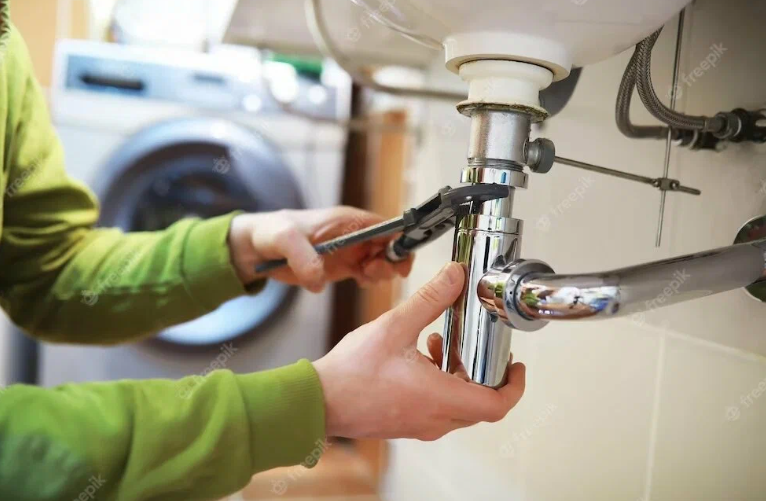
Maintaining a reliable and efficient water system is essential for every home and business. With the right care and professional support, such as plumbing services, you can prevent costly breakdowns, leaks, and inefficiencies that affect your property’s overall water supply. Regular maintenance ensures your plumbing system operates seamlessly, conserves water, and supports long-term durability.
Understanding the Importance of Water System Maintenance
Your water system plays a critical role in daily life—delivering clean water for drinking, cooking, cleaning, and sanitation. Neglecting regular maintenance can lead to a range of problems, from minor leaks to severe pipe corrosion or water contamination. Over time, sediments, mineral deposits, and wear-and-tear can reduce water pressure, clog pipes, and damage appliances that rely on water, such as dishwashers and washing machines.
Consistent upkeep ensures your plumbing remains efficient, your bills stay manageable, and your home or business remains safe from water-related damage. Preventive maintenance also increases the lifespan of your pipes, faucets, and fixtures.
Inspect Your Plumbing Regularly
One of the simplest yet most effective ways to maintain your water system is by performing routine inspections. Check for leaks, corrosion, or damp spots under sinks, behind appliances, and around toilets. Early detection of small issues can prevent significant problems later.
Look for signs such as:
- Reduced water pressure
- Unusual noises in pipes
- Discoloration in water
- Dripping faucets or wet walls
Scheduling an annual inspection with a qualified plumber can help identify hidden issues using advanced tools like leak detectors or video pipe inspection systems.
Clean Faucets, Aerators, and Showerheads
Over time, mineral deposits and debris can build up in faucets and showerheads, restricting water flow and reducing efficiency. To prevent this, unscrew these fixtures periodically and soak them in vinegar or a descaling solution. Scrub away any residue before reattaching them.
For faucets, check aerators for blockages and clean them every few months. This simple practice not only improves water pressure but also helps conserve water by maintaining consistent flow.
Maintain Water Pressure
Proper water pressure is key to keeping your plumbing system running smoothly. Low pressure may indicate blockages, while excessively high pressure can strain pipes and joints, leading to leaks or bursts.
You can use a water pressure gauge to test the pressure from an outdoor faucet. Ideally, residential systems should maintain a pressure between 40 and 60 psi. If the reading is too high, consider installing a pressure regulator to prevent potential damage.
Flush the Water Heater
Sediment buildup inside your water heater can cause inefficiency, strange noises, and reduced water temperature. Flushing the tank at least once a year helps remove these deposits and improves the heater’s performance.
To do this safely:
- Turn off the power or gas supply to the heater.
- Attach a hose to the drain valve and direct it to a safe drainage area.
- Open the valve to release water until it runs clear.
- Refill the tank and restart the system.
Regular flushing ensures better heating efficiency and extends the lifespan of your water heater.
Protect Pipes from Freezing
During colder months, unprotected pipes are vulnerable to freezing and bursting, causing severe water damage. To prevent this, insulate exposed pipes in basements, crawl spaces, attics, and exterior walls. Use foam sleeves or heating cables for added protection.
Additionally, allow a small trickle of water to flow through taps during freezing nights and keep cabinet doors open to let warm air circulate around indoor pipes.
Check for Hidden Leaks
Even small leaks can waste hundreds of gallons of water each year and increase your utility bills. To check for hidden leaks, monitor your water meter. Turn off all water sources in your home, then check the meter reading. Wait a few hours without using water—if the reading changes, you likely have a leak.
Common sources include:
- Running toilets
- Dripping faucets
- Cracked underground pipes
Promptly repairing leaks helps conserve water and prevent damage to walls, floors, and foundations.
Maintain Drains and Prevent Clogs
Clogged drains can cause backups and unsanitary conditions. To keep drains clear, avoid pouring grease, oil, or food waste down the sink. Use drain strainers to catch hair, soap scum, and debris in bathroom drains.
Once a month, flush drains with a mixture of hot water, vinegar, and baking soda to dissolve buildup. Avoid using harsh chemical cleaners, as they can damage pipes over time.
Inspect Outdoor Plumbing Components
Outdoor plumbing components such as hoses, sprinklers, and irrigation systems require attention too. Check garden hoses for cracks and replace them if necessary. Ensure outdoor faucets are tightly closed and free from leaks.
If you have a sprinkler system, inspect the heads and lines for blockages or leaks. Regular maintenance keeps your landscaping healthy and prevents water wastage.
Schedule Professional Plumbing Maintenance
While basic maintenance can be done on your own, professional inspections are invaluable. Experienced plumbers can detect early warning signs of major issues, test water quality, inspect sewer lines, and ensure your system complies with safety regulations.
Professional plumbing services offer preventive maintenance plans that include system flushing, pipe cleaning, and pressure checks. These services not only save you money on future repairs but also provide peace of mind knowing your water system is in expert hands.
Replace Aging Components
No plumbing system lasts forever. Pipes, valves, and fixtures wear out over time, especially in older homes. Replacing aging components prevents leaks and water contamination.
Copper and PVC pipes have different lifespans, so it’s important to know what your system uses. Modern materials such as PEX piping are durable, flexible, and resistant to corrosion, making them an excellent upgrade option.
Final Thoughts
A well-maintained water system is key to efficiency, cost savings, and comfort. With regular inspections, timely repairs, and professional plumbing assistance, you can avoid unnecessary breakdowns and extend your system’s lifespan.
By following these essential maintenance tips, you’ll not only ensure smooth water flow but also protect your home from costly water damage. Partnering with experienced plumbing professionals for routine maintenance is the smartest investment you can make for your property’s long-term performance.