


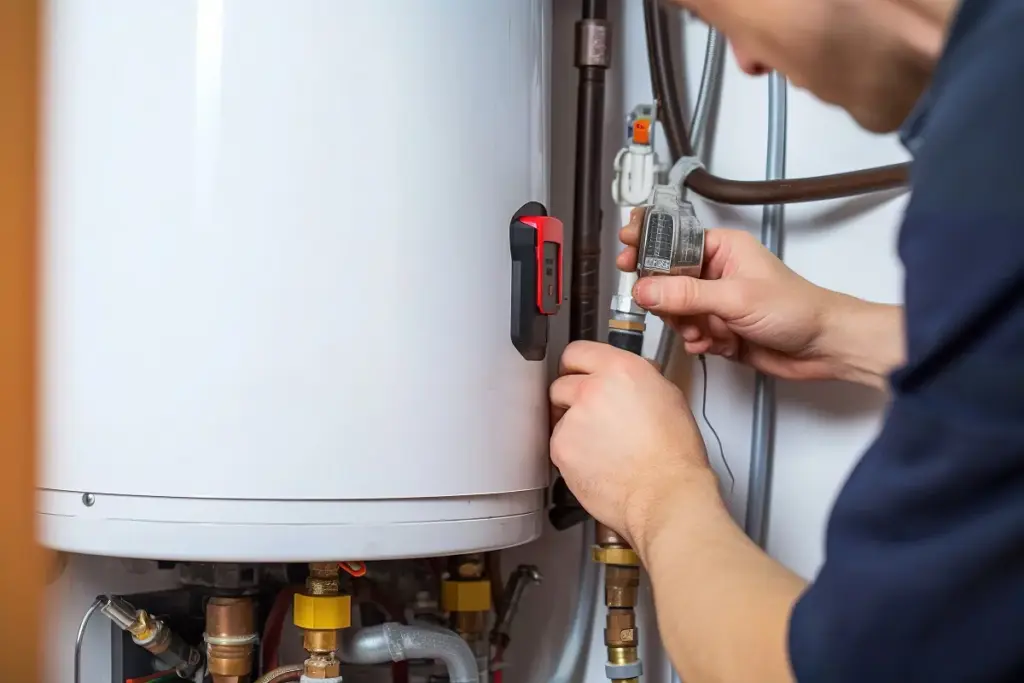
A water heater usually works quietly in the background until one day it suddenly stops. No hot water can disrupt your entire routine. Showers become uncomfortable. Washing dishes becomes difficult. Daily tasks take longer. Many homeowners in Nashville, CA experience this problem without warning.
Understanding why your water heater stops working can help you identify the issue early. In many cases, small warning signs appear before a complete failure. Ignoring these signs often leads to bigger repairs or full replacement.
This guide explains the most common reasons water heaters stop working and what homeowners in Nashville should do next.
Sediment Buildup Inside the Tank
Sediment buildup is one of the most common causes of water heater failure. Over time, minerals in the water settle at the bottom of the tank. This buildup reduces efficiency and forces the heater to work harder.
As sediment accumulates, you may notice strange noises coming from the tank. Popping or rumbling sounds usually indicate buildup inside the unit. These sounds happen because water gets trapped beneath the sediment and overheats.
If sediment buildup continues, it can damage the heating elements and reduce the lifespan of your water heater. Regular maintenance helps prevent this issue.
If your water heater is older and making unusual noises, it may be time to consider replacement options. You can also review this helpful guide on choosing the right water heater size for your home
Faulty Heating Elements
Electric water heaters rely on heating elements to warm the water. When these elements fail, your water heater may stop producing hot water.
A faulty heating element often causes inconsistent temperatures. You may get warm water for a short time, then suddenly cold water. This problem usually gets worse over time.
Heating elements can wear out due to age, sediment buildup, or electrical issues. A professional inspection helps confirm the issue and determine whether repair or replacement is needed.
Gas Supply Problems
Gas water heaters depend on a steady gas supply. If the gas supply is interrupted, the water heater stops working. This can happen due to gas line issues, pilot light problems, or faulty valves.
Sometimes the pilot light goes out unexpectedly. This prevents the water heater from heating water properly. If this happens frequently, it may indicate a deeper issue.
Gas related problems should always be handled by professionals. Safety is important when dealing with gas systems.
Thermostat Problems
The thermostat controls water temperature. When it fails, your water heater may stop working correctly. You may notice water that is too hot, too cold, or inconsistent.
Thermostat issues can also cause the water heater to stop heating altogether. In some cases, resetting the thermostat may solve the issue temporarily.
If temperature problems continue, professional repair is usually required.
Water Heater Leaks
Leaks are another common reason water heaters stop working. Small leaks may seem harmless, but they often indicate internal damage. Over time, leaks can worsen and lead to complete system failure.
You may notice water pooling around the base of the tank. Rust or corrosion around connections is another warning sign.
Leaks should never be ignored. Water damage can affect flooring and nearby areas. Early detection helps reduce repair costs.
If you suspect hidden leaks in your home, this guide on leak detection may also help
Old Water Heater
Age plays a major role in water heater performance. Most traditional water heaters last between eight and twelve years. As units age, components wear out and efficiency decreases.
Older water heaters often require frequent repairs. At some point, replacement becomes more cost effective than continued repairs.
If your water heater is nearing the end of its lifespan, planning ahead can help avoid sudden breakdowns.
High Water Pressure
High water pressure can damage plumbing systems, including water heaters. Excess pressure puts stress on internal components and connections.
Over time, this can lead to leaks, damaged valves, or system failure. A pressure regulator helps maintain safe pressure levels.
If you notice frequent plumbing issues, high water pressure may be the cause.
Electrical Issues
Electric water heaters depend on proper electrical connections. Tripped breakers, faulty wiring, or damaged connections can stop the unit from working.
If your water heater suddenly stops working, checking the breaker panel may help identify the issue. However, electrical problems should be handled carefully.
Professional inspection ensures safe and proper repairs.
Why Water Heater Problems Are Common in Nashville, CA
Homes in Nashville, CA often experience water heater problems due to regular usage and aging systems. Over time, wear and tear affect performance. Mineral buildup and daily usage also contribute to failures.
Regular maintenance helps extend the life of your water heater. However, even well maintained systems eventually require replacement.
If you live in Nashville, CA and experience frequent water heater issues, visiting Plumbing service Nashville CA can help you understand available options
https://mandmplumbingpro.com/nashville-ca/
Warning Signs Before Your Water Heater Stops Working
Water heaters rarely fail without warning. Many homeowners notice early signs but ignore them.
Common warning signs include inconsistent hot water, strange noises, rusty water, and rising energy bills. These signs indicate your system may be struggling.
Addressing these issues early helps avoid sudden failure.
When To Call a Professional Plumber
Some water heater issues require professional help. If your water heater stops working completely, leaks, or produces unusual noises, it is best to call a licensed plumber.
Professional inspection helps identify the root cause. This prevents unnecessary repairs and ensures long term solutions.
Experienced technicians also help determine whether repair or replacement is the better option.
How To Prevent Water Heater Failure
Preventive maintenance helps reduce water heater problems. Flushing the tank annually helps remove sediment buildup. Checking connections regularly helps detect leaks early.
Monitoring water pressure also protects your system. Scheduling professional inspections helps identify potential issues.
Simple maintenance steps help extend the lifespan of your water heater.
Conclusion
Water heaters can stop working for many reasons. Sediment buildup, faulty heating elements, leaks, and aging systems are some of the most common causes. Homeowners in Nashville, CA often experience these issues due to daily usage and wear over time.
Understanding the warning signs helps prevent sudden breakdowns. Addressing small issues early can save money and avoid inconvenience. Regular maintenance also plays an important role in keeping your water heater running efficiently.
If your water heater stops working, professional inspection helps determine the best solution. Acting quickly helps restore hot water and prevent further damage.
Frequently Asked Questions
Why did my water heater suddenly stop working
Common causes include heating element failure, thermostat issues, or gas supply problems.
How long do water heaters last
Most water heaters last eight to twelve years depending on maintenance and usage.
Should I repair or replace my water heater
If your unit is older and needs frequent repairs, replacement is often more cost effective.
Can sediment buildup damage my water heater
Yes. Sediment buildup reduces efficiency and can damage internal components.
When should I call a plumber
Call a plumber if your water heater stops working, leaks, or produces unusual noises.