


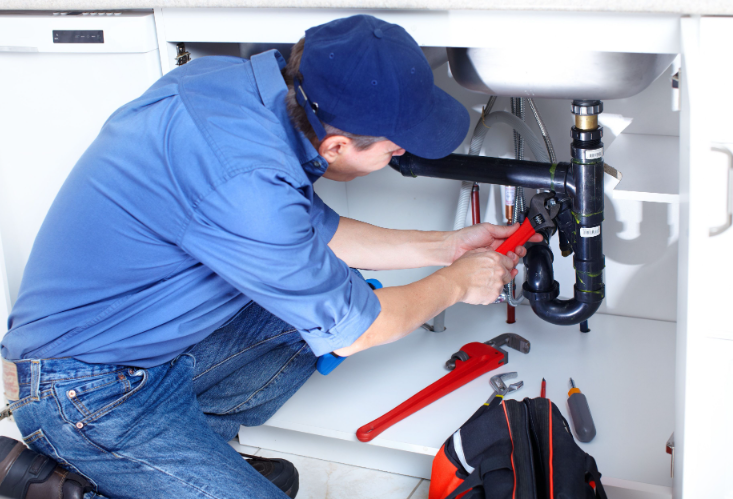
Leaks are one of the most frustrating and costly issues homeowners face. From dripping faucets to hidden pipe leaks, water damage can lead to mold, structural problems, and higher utility bills. Whether you’re a new homeowner or maintaining an older property, preventing leaks before they start is crucial. Professional plumbing services can help identify and fix potential issues before they become major headaches, but there are also proactive steps you can take on your own to protect your home.
Understanding the Common Causes of Household Leaks
Before prevention comes understanding. Most leaks are not random — they stem from specific, avoidable causes. Some of the most frequent reasons include:
- Aging Pipes: Over time, metal and plastic pipes deteriorate, corrode, or develop cracks.
- High Water Pressure: Excessive water pressure puts strain on joints and fixtures, leading to leaks.
- Clogged Drains: When drains are blocked, water pressure can back up and damage seals or fittings.
- Temperature Fluctuations: Extreme heat or cold can cause pipes to expand and contract, leading to cracks.
- Faulty Seals and Connectors: Worn-out washers, gaskets, or fittings are often culprits behind dripping fixtures.
Understanding these root causes is the first step toward effective prevention and long-term home maintenance.
Regular Plumbing Inspections
Routine inspections are one of the most effective ways to prevent leaks. A certified plumber can check your pipes, joints, and appliances for early signs of wear.
What to Expect During an Inspection:
- Checking for visible corrosion or rust on exposed pipes.
- Testing water pressure to ensure it’s within safe limits.
- Inspecting sinks, toilets, and showers for slow leaks.
- Examining water heaters and washing machine hoses for cracks or bulges.
Scheduling a plumbing inspection at least once a year helps detect minor issues before they become costly emergencies. Even if you’re not experiencing visible leaks, professional inspections provide peace of mind.
Monitoring Water Pressure
Many homeowners overlook the impact of water pressure. While high pressure may feel great in the shower, it’s bad for your plumbing system. Over time, excess pressure strains pipe joints, causing them to weaken.
How to Monitor It:
- Use a pressure gauge (available at hardware stores) to check water pressure.
- Ideal pressure should range between 40 to 60 psi.
- If it’s higher, install a pressure regulator or have a plumber adjust it.
Maintaining balanced water pressure extends the life of your pipes and fixtures while minimizing the risk of leaks.
Replacing Worn-Out Fixtures and Seals
Leaky faucets and dripping showerheads might seem minor, but they waste water and indicate failing seals. These small leaks often grow into larger problems if ignored.
Simple Maintenance Steps:
- Replace washers and O-rings in faucets annually.
- Apply plumber’s tape on threaded connections to ensure a watertight seal.
- Check under sinks for dampness or discoloration, which may signal a hidden leak.
By updating old fixtures and tightening connections, you can prevent leaks from developing in high-use areas.
Insulating Pipes for Seasonal Protection
Cold weather poses one of the biggest risks for leaks — frozen pipes. When water freezes, it expands, putting pressure on the pipe walls. Once the ice melts, cracks and leaks often appear.
Prevention Tips:
- Wrap exposed pipes in foam insulation sleeves, especially in basements, attics, and garages.
- Keep cabinet doors open on cold nights to allow warm air to circulate around pipes.
- Let faucets drip slightly during freezing temperatures to relieve pressure buildup.
Pipe insulation is a small investment that can save you from costly water damage and repairs in the winter months.
Checking Appliances and Water Supply Lines
Many leaks originate from household appliances rather than plumbing fixtures. Washing machines, dishwashers, and refrigerators all rely on water lines that can loosen or wear out over time.
What to Check:
- Inspect supply hoses every six months for bulges, cracks, or loose fittings.
- Replace rubber hoses with braided stainless steel for better durability.
- Make sure appliances are level to avoid unnecessary stress on water lines.
Performing these checks regularly ensures your appliances stay in good condition and reduces the chance of unexpected leaks.
Maintaining Gutters and Downspouts
Although they’re outside your plumbing system, gutters play a significant role in leak prevention. Poorly maintained gutters can lead to water pooling near your home’s foundation, causing basement leaks or foundation cracks.
Maintenance Tips:
- Clean gutters twice a year to prevent blockages.
- Ensure downspouts direct water at least five feet away from your home.
- Check for loose or damaged sections that could cause overflow.
Proper drainage management helps keep your home’s interior and foundation dry year-round.
Using Smart Leak Detection Devices
Modern technology makes leak prevention easier than ever. Smart leak detectors monitor your plumbing system and send alerts to your phone if a leak is detected.
Advantages of Smart Detectors:
- Immediate alerts for even small leaks.
- Automatic shut-off features to prevent major flooding.
- Real-time monitoring via mobile apps.
These devices are especially useful for homeowners who travel frequently or own multiple properties. Investing in smart technology adds an extra layer of protection.
When to Call the Professionals
While DIY maintenance goes a long way, some plumbing issues require expert attention. If you notice consistent drops in water pressure, unexplained increases in your water bill, or signs of moisture on walls or ceilings, it’s time to call professional plumbers.
Professional plumbers can:
- Perform pressure tests to locate hidden leaks.
- Use advanced tools like video pipe inspection cameras.
- Repair or replace damaged sections safely and efficiently.
Timely intervention can prevent small problems from turning into extensive water damage.
Final Thoughts
Preventing household leaks is about being proactive rather than reactive. Routine maintenance, timely inspections, and smart home devices can all help keep your plumbing system in excellent condition. With the right mix of homeowner vigilance and reliable plumbing services, you can protect your home from costly repairs and ensure your water systems run efficiently year after year.
By taking preventive measures today, you’re not just saving money—you’re preserving the safety and comfort of your home for the future.